When Apple dropped the Apple Watch Ultra 3 with built-in satellite connectivity, I knew it was the moment every adventurer with an iPhone had been waiting for. But hardware specs are just one side of the story. I dug into a side‐by‐side test comparing it to Garmin’s rugged InReach solutions, pushed both devices into real backcountry scenarios, and here’s the verdict — told like I’m talking to a friend.
Because yes, I care about you being able to call home when your phone’s dead.
Table of Contents
ToggleApple Watch Ultra: What was the Test Setup?
In late 2025, a tech writer (Bill Thompson) ran a battery of comparisons between the Ultra 3 and Garmin InReach gear. The goal: when cellular and WiFi vanish, which tool actually delivers on connecting you with the outside world. The test included trail runs through rolling terrain, stretches under light forest canopy, and repeated message exchanges plus location pings. Over dozens of runs and varying signal conditions, the two systems were pushed head to head.
What emerged is not a “winner for everyone” but a “better choice for you, depending on how you adventure.”
Satellite Networks: Apple’s Globalstar vs Garmin’s Iridium
At the core lies the difference in satellite infrastructure:
-
Apple’s Ultra 3 talks to satellites via the Globalstar low-Earth orbit network (the same backbone used by iPhone’s Emergency SOS).
-
Garmin’s InReach gear rides on Iridium, a 66-satellite constellation with crosslinks — commonly trusted by expedition teams, polar explorers, and anyone wanting “works absolutely everywhere.”
That means in extreme latitudes or remote oceans, Garmin’s edge still holds. But in more moderate terrain (forests, deserts, hills), Apple’s system showed real promise — even speed bump advantages in many tests.
Ease of Use & Getting a Signal
One of the biggest friction points in off-grid comms is locking onto a satellite.
-
With Apple Watch Ultra 3, the experience is intuitive: raise your wrist, open the satellite interface, and follow a simple on-screen pointer (lean left, lean right) to orient toward a passing satellite. In open space, a fix often came in under 10 seconds; even under light canopy it rarely took more than 15–20 seconds.
-
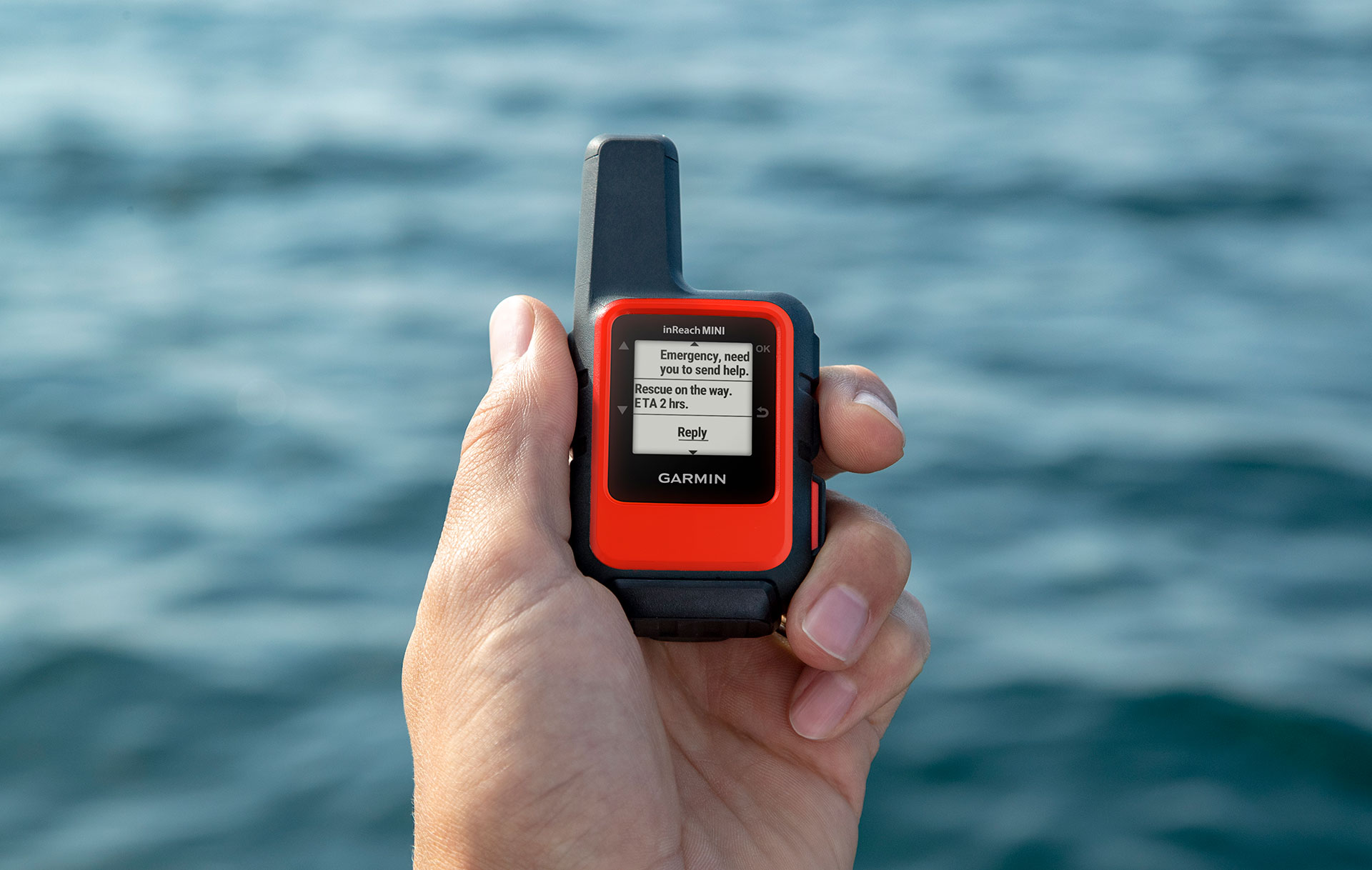
In contrast, InReach is reliable — no doubt — but less glamorous. It often requires aiming an antenna, fiddling with a device (especially with gloves on), and sometimes waiting longer under partial cover.
Once locked, Ultra 3 sent messages and location pings every 15–30 seconds. InReach sometimes lagged longer in constrained conditions, though over open skies it held strong.
Messaging, Tracking & SOS Features
Here’s where things get interesting (because it’s not just about saying “help”).
-
Apple Watch Ultra 3 lets you send short texts to contacts (iMessage or SMS) over satellite, and you can also drop your location pin via Apple Maps. Recipients see a special “on satellite” badge so they know the message is coming off the grid. You don’t need a separate app — it’s built into what you already use.
-
InReach supports scheduled check-ins, continuous tracking (broadcasting your position at intervals), mapping/route sharing, and SOS calls that are managed through Garmin’s IERCC rescue coordination center. These are features that outdoor professionals and explorers have leaned on for years.
If your use case is “I want my friends/family to know where I am occasionally, check in, promise I’m okay,” Apple’s solution covers that elegantly. If your use case is route planning, long multi-day tracking, full mapping, or rescue coordination, Garmin still leads.
Battery Life & Practical Endurance
One thing you’ll always worry about in the wild: battery drain.
In a mixed use case with periodic satellite use, Ultra 3 drained roughly 18 % battery over a couple of hours of off-grid runs and message checking. That suggests — in a real trail scenario — you might carry two days of mixed use. That aligns with claims of ~42 hours in normal use.
Garmin’s InReach hardware, especially the lightweight classes, often runs for days or even weeks (depending on how often it transmits). For long treks, that kind of endurance is non-negotiable.
But here’s the real nuance: since Ultra 3 is your everyday watch, you might charge it routinely anyway (camp every night, top up). The satellite bursts are a fraction of its usage slice. Garmin’s devices shine when you cannot reliably plug in every day.
Coverage & Cost Realities
-
Coverage: Iridium (Garmin) is global. It doesn’t care if you’re at sea or near the poles. Globalstar (Apple) is strong in many mid-latitude zones — but has coverage gaps in certain regions.
-
Cost: Apple throws in two years of satellite support with Ultra 3 (no additional plan for that period). Garmin’s offerings require subscriptions — you pick tiers of message count, tracking frequency, etc. Over time, Garmin’s edge comes with ongoing expense.
For a casual adventurer doing weekend trips in supported zones, Apple’s “satellite for free (for two years)” is a compelling bolt-on. If you’re guiding, mountaineering, or roaming the extremes, Garmin’s structure is built for that.
When Apple Ultra 3 Beats Garmin InReach
In real-world tests, the Ultra 3 came through for most users with less hassle, faster link times, and an integrated user experience. When you just want to check in during a day hike, bike ride, ski tour, or remote run — and you’re in a supported region — Ultra 3 often outperformed expectations.
It’s not just about “can it send an SOS” — it’s about how usable it feels in a moment when you’re tired, stressed, or in poor light. Apple’s simple interface matters when cognitive load is high.
When Garmin Still Reigns Supreme
There are scenarios where I’d still carry an InReach (or Garmin’s mapping watches) over relying solely on Ultra 3:
-
Polar or oceanic travel where Globalstar lacks reliable coverage
-
Multi-week expeditions with no reliable recharging
-
Deep route planning, full mapping, continuous live tracking
-
Dependence on professional rescue services with direct coordination
In those extreme cases, Garmin remains the safer, more conservative bet.
Which One Should You Use?
Here’s how I’d think about it — as your gear buddy:
-
If your adventures are single or multi-day hikes, remote runs, mountain trails — and you live (or travel) in zones where Apple supports its satellite features — go Ultra 3. It’s one less device, seamless integration, and excellent safety backup for most people.
-
If your adventures push you to the poles, the deep backcountry, or you need mission-grade tools that won’t quit, pair Ultra 3 with a Garmin InReach (or go full Garmin).
-
Always check the coverage map for your region before trusting a satellite link. It’s the first filter.
-
Practice. Pretend you’re off-grid even when you’re not. Send test messages. Learn how pointing, message queuing, and recovery work. You don’t want surprises when it matters.
Final Thoughts
I’m impressed. The Apple Watch Ultra 3 doesn’t replace Garmin’s legacy in serious satellite comms — nor should it. But it changes the equation. It makes two-way off-grid messaging “normal” for everyday adventurers and lowers the bar for safety without extra gear.
If I were heading into the woods and had just one device on my wrist, I’d trust Ultra 3 in many places. But in the back of my pack, I might still carry a stripped InReach if I’m pushing edges.
So there it is — my take. Want me to tailor this for a region (India, Himalayas, etc) or compare Ultra 3 with Garmin Fenix? Just tell me — I’ll dig in.