10-inch Folding Phones are designed to offer a tablet-sized display that folds into a phone-like form factor. In 2026, the technology is more advanced than ever, but it still comes with major trade-offs.
While these devices promise productivity, immersive media consumption, and futuristic design, they remain expensive, fragile compared to traditional phones, and relevant mainly to a niche audience. For most users, they are impressive—but not essential yet.
What are 10-inch Folding Phones?
A Smartphone that Expands into a Tablet
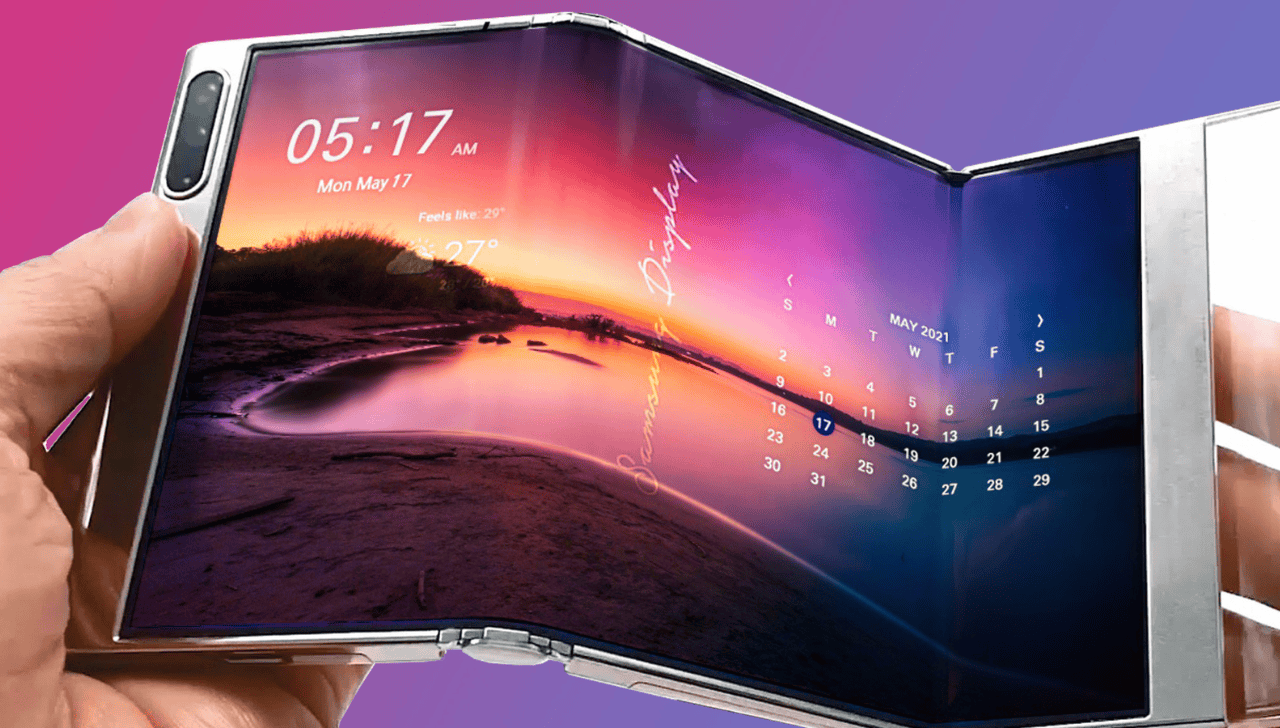
10-inch Folding Phones are next-generation foldables that open into displays close to the size of a compact tablet. Unlike earlier foldable phones that expanded to around 7 or 8 inches, these newer designs aim to replace both a smartphone and a tablet with a single device.
When folded, they behave like a thick smartphone. When unfolded, they offer enough screen space for multitasking, document editing, video streaming, and creative work.
Why the 10-inch Size Changes the Conversation
The jump to a 10-inch display is significant. It moves foldables beyond entertainment and into productivity territory. At this size, users can comfortably run multiple apps side by side, type longer documents, or edit images without feeling constrained by screen space.
How Folding Phones have Evolved Over the Years
Early Foldables Faced Serious Limitations
The first foldable phones attracted attention but struggled with durability, visible screen creases, poor battery life, and extremely high prices. Many consumers saw them as experimental devices rather than practical daily drivers.
Engineering Improvements Have Closed the Gap
By 2026, manufacturers have improved hinge mechanisms, strengthened flexible OLED panels, and enhanced water resistance. These changes have made folding phones more reliable than before, though they still lag behind traditional slab phones in long-term durability.
What Industry Experts say about 10-inch Folding Phones
High Cost Remains the Biggest Barrier
Experts consistently point to pricing as the primary issue. Devices like Samsung’s large-screen foldables can cost more than premium laptops. This price gap limits adoption, especially when conventional smartphones already meet most users’ needs.
Durability Is Better—but Still Not Ideal
Although modern folding phones can survive thousands of folds, they still rely on moving parts and flexible screens. This makes them inherently more vulnerable than rigid glass phones, especially for long-term use.
Utility Depends on the User
For professionals who multitask heavily or travel frequently, a 10-inch folding phone can reduce the need to carry multiple devices. For average users, however, the advantages may not justify the cost.
Key Players in the 10-inch Folding Phones Market
Samsung’s Push toward Larger Foldables
Samsung remains the most aggressive brand in this segment. Its large folding devices showcase advanced hinge engineering and refined displays, setting the benchmark for competitors.
Other Manufacturers are Watching Closely
Several brands are experimenting with large foldable concepts, but most are proceeding cautiously. The market response in 2026 will likely determine how many companies fully commit to 10-inch Folding Phones.
What is Driving the Growth of 10-inch Folding Phones?
Advances in Flexible Display Technology
Modern OLED panels are thinner, more resilient, and better at maintaining brightness and color accuracy even after repeated folding. These improvements make large foldable screens more viable.
Software Optimisation Is Catching Up
Operating systems and major apps now better support large and flexible displays. Features like split-screen multitasking and adaptive layouts help justify the larger screen size.
The Challenges that Still Limit Mass Adoption
Premium Pricing Restricts the Audience
Even in 2026, 10-inch Folding Phones sit firmly in the ultra-premium category. For many buyers, the cost outweighs the benefits.
Repair and Maintenance Concerns
Repairs for foldable screens and hinges are expensive and less accessible than standard phone repairs. This adds long-term ownership risk.
Not All Apps Fully Use the Big Screen
While system-level features have improved, some third-party apps still fail to scale properly on large foldable displays, limiting the overall experience.

Who should Consider Buying a 10-inch Folding Phone?
10-inch Folding Phones make the most sense for:
-
Business users who rely on multitasking
-
Frequent travelers who want fewer devices
-
Creators who edit content on the go
-
Technology enthusiasts who value innovation
For casual users, a premium slab phone or smaller foldable remains a more practical choice.
Are 10-inch Folding Phones the Future of Smartphones?
10-inch Folding Phones represent a possible future—but not an inevitable one. They demonstrate what is technically possible, yet they still require compromises in cost, durability, and convenience. If manufacturers can reduce prices and further improve reliability, adoption could grow significantly over the next few years.
Conclusion
In 2026, 10-inch Folding Phones stand at an important crossroads. They showcase impressive engineering and genuine productivity potential, but they remain expensive and specialized devices. For now, they are best suited to professionals and enthusiasts rather than the mass market. The technology is moving in the right direction, but mainstream success will depend on affordability, durability, and continued software refinement.
Frequently Asked Questions (FAQs)
1. Are 10-inch Folding Phones practical for everyday use?
They are practical for power users but everyday use?**
They are practical for power users but unnecessary for most everyday smartphone users.
2. Why are 10-inch Folding Phones so expensive?
They use complex hinge systems, flexible OLED panels, and premium materials, all of which raise manufacturing costs.
3. Do 10-inch Folding Phones replace tablets?
For some users, yes. They can handle many tablet tasks, though dedicated tablets still offer better value.
4. Are folding screens reliable in the long term?
They are more reliable than earlier models but still less durable than traditional glass screens.
5. Will prices drop in the future?
Prices are expected to decline gradually as production scales and competition increases.