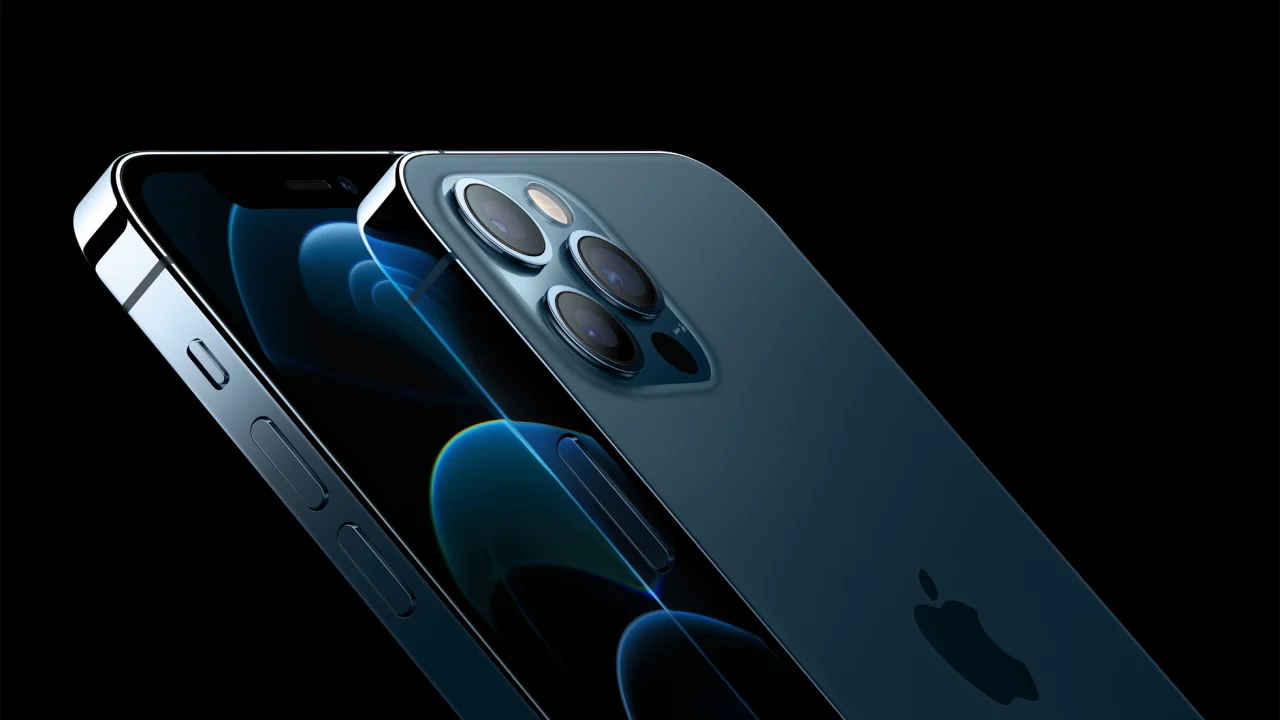
Yes, If you’ve been wondering what’s new with the upcoming iPhone 17e, here’s the scoop: the iPhone 17e is expected to reuse the same OLED panel that debuted with the iPhone 14-series, yet sporting a refreshed look thanks to significantly slimmer bezels. So while the screen’s core tech may stay the same, the device’s design could feel a lot more modern.
What’s Going On With iPhone 17e’s Display and Design
Same OLED Panel — But A Fresh Look
According to the latest leaks and supply-chain reports, Apple appears to be reusing the OLED panel that first showed up in the iPhone 14 series (and continued into the current iPhone 16e) for the new iPhone 17e.
That said — don’t think that means the iPhone 17e will feel outdated. What’s changing is the outer design. The bezels around the screen are expected to be much slimmer, giving the phone a sleeker, more contemporary look even without a new display panel.
Why this trade-off? Reusing a proven panel helps keep costs down and ensures stable production, while reducing bezel size gives the phone a fresh, modern aesthetic.
What about Other Features- Dynamic Island, Refresh Rate & Chip
No Guarantees on Dynamic Island
Earlier leaks from a Weibo leaker suggested the iPhone 17e might adopt the newer “Dynamic Island” interface and a redesigned body.
But recent supply-chain info seems to throw cold water on that: the current report does not claim that Dynamic Island support is confirmed for the 17e — making slimmer bezels a far more plausible change than a complete redesign.
The reasoning is practical: Dynamic Island requires a different camera and sensor layout (TrueDepth, updated sensor placement, different display masking), which could clash with Apple’s cost-saving strategy for the “e” line.
Read More: Sony A7V Released- 33 MP Hybrid Powerhouse That Nails Photos & 4K Video
The iPhone 17e is still believed to keep a 6.1-inch OLED screen with a 60Hz refresh rate — same as its predecessor.
Why not upgrade to fancy LTPO panels and high refresh rates like 120Hz (ProMotion)? Because the panel supplier for 17e (namely BOE) currently handles LTPS TFT panels (not LTPO), which don’t support adaptive refresh rates.
This means while the phone may get a sleek new look, its display performance will likely remain similar to earlier “e”-series iPhones.
Why Apple Might be Doing this- Smart Cost Savings Without Sacrificing Looks
-
Reusing the same OLED panel reduces manufacturing complexity and helps keep costs low. That aligns with the positioning of the “e”-series as Apple’s affordable iPhone line.
-
Slimmer bezels are relatively inexpensive to implement — mostly a matter of frame redesign — yet they deliver a noticeable visual upgrade.
-
Skipping a full redesign (camera layout, Dynamic Island support, new sensors, etc.) avoids additional tooling or sensor redesign costs — which makes sense for a budget-oriented model.
-
By keeping the notch (instead of Dynamic Island) and reusing the older panel, the 17e remains visually and technically distinct from Apple’s premium flagship models — preserving the “budget vs premium” separation.
What this Means for Buyers- Who’s the iPhone 17e For?
If you’re someone who:
-
Wants an iPhone that looks modern and clean
-
Doesn’t care deeply about ultra-smooth refresh rates or the newest display tech
-
Prefers a more budget-friendly iPhone but still wants good performance
Then iPhone 17e could be a smart choice. The slimmer bezels give it a near-“flagship” look at a likely lower price, while core display components remain solid and dependable.
On the other hand, if you care strongly about display smoothness, adaptive refresh rate, or want features like Dynamic Island, the 17e might feel more like a mid-tier compromise than a “mini-flagship.”
Where iPhone 17e Fits In Apple’s Lineup
-
It preserves the spirit of Apple’s “e” line — affordable iPhone models that cut costs wisely without compromising on the essentials.
-
It differentiates itself from the standard/resume flagship models (like iPhone 17 or Pro/Pro Max variants), which are rumored to get larger LTPO displays, higher refresh rates, and other high-end upgrades.
-
It offers a cost-effective entry point for people who want a fairly modern iPhone experience without shelling out flagship-level prices.
What We Still Don’t Know & What to Watch For
| Unknown | Why It Matters |
|---|---|
| Will Dynamic Island or a notch-free design really arrive on 17e? | It would significantly impact the front-facing design and user experience. Current reports are skeptical. |
| Will display refresh rate stay at 60Hz or get an upgrade? | Higher refresh rate = smoother UI, but may not be supported if panel remains LTPS. |
| Will camera and sensor layout change? | That could affect selfie and Face ID performance if redesign happens. |
| What will be the final price and launch timeline? | Price/performance ratio will determine if 17e becomes a compelling value pick. |
At this stage, based on most informed leaks, the safer bet is on a refreshed design (slimmer bezels) without major display tech upgrades.
FAQs
Q: Will the iPhone 17e get a Dynamic Island instead of a notch?
A: Not necessarily. While some earlier leaks suggested Dynamic Island could arrive on 17e, latest reports don’t confirm it. It seems more likely that Apple will keep the notch to maintain cost-effectiveness.
Q: Is the OLED panel on iPhone 17e the same as iPhone 14 / 16e?
A: Yes — leaks indicate 17e will reuse the OLED panel introduced with iPhone 14 and continued through 16e.
Q: Will iPhone 17e have a high refresh rate display (like 120Hz ProMotion)?
A: Probably not. The panel maker assigned to 17e currently produces LTPS TFT panels, which don’t support adaptive refresh rates. The 17e is expected to stick with a 60Hz screen.
Q: Why is Apple reusing the older panel for a new model?
A: Reusing existing components helps reduce manufacturing costs and ensures stable supply — helping Apple keep the “e”-line affordable while still delivering a polished look (with slimmer bezels).
Q: Should I wait for iPhone 17e or buy a flagship iPhone for better features?
A: If you value a sleek look and want a budget-friendly iPhone with stable fundamentals, 17e could be a good pick. But if you care about premium display tech (ProMotion, LTPO), sensor upgrades, or future-proofing, a flagship model may serve you better.
Final Thoughts
The upcoming iPhone 17e appears to strike a careful balance: it keeps key cost-saving components (older OLED panel, possibly notch instead of Dynamic Island, 60Hz refresh rate), but upgrades the look with slimmer bezels — potentially giving it a modern feel at a lower cost.
For many users, that’s exactly the kind of “smart value” upgrade they want. If you care more about design freshness and overall value than bleeding-edge display tech, 17e could be a very sensible choice.
We’ll know for sure when Apple or reliable supply-chain sources confirm the final design and specifications — but for now, iPhone 17e looks like it might deliver clean, affordable iPhone vibes without stretching your budget.