AI is no longer some distant sci-fi fantasy. It’s slowly, almost stealthily, wrapping itself around our lives — from smart glasses perched on your nose to the car you drive. And if you blink, you might miss how deep this thing is digging in.
This shift isn’t just about tools getting smarter — it’s about an ecosystem that learns, adjusts, even anticipates what you want. What used to feel futuristic is inching into the fabric of your everyday. Let’s talk about how, when, where, and why.
AI Around You: What’s Changing and Why It Matters
Glasses that See More Than You Do
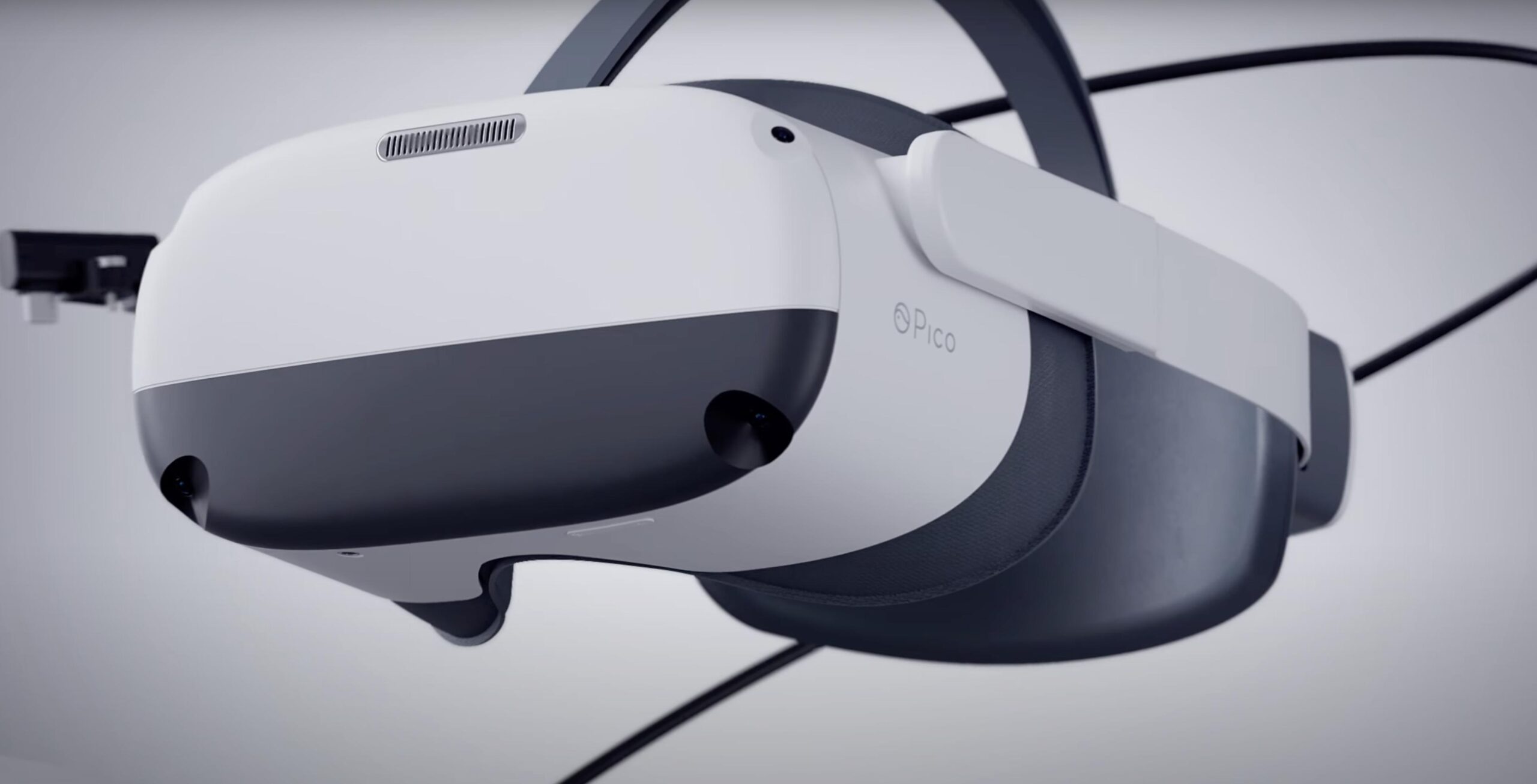
Remember when smart glasses were gimmicks? Now some versions are packing AI, cameras, sensors — helping you with instant translations, visual recognition, or even real-time guidance. Imagine walking down a street in Tokyo, and your glasses show you restaurant reviews, or warn you of a slippery sidewalk. That’s not magic — that’s AI wrapping its arms (or lenses) around you.
The shift is deeper than just convenience. These glasses collect data, map it to behavior, and feed that back into prediction engines. Because when your device sees what you see, it’s gaining context — and context is everything.
Cars that Learn You, Not Just Serve You
Next up: your car. It’s not just chrome, steel, and an engine anymore. It’s becoming a rolling node in an AI network. Think features like predictive navigation (knowing a route you prefer before you do), driver-assist that adapts to you, or in-cabin systems that adjust lighting, music, or alerts based on your mood or behavior.
When AI is inside the car — sensing, predicting — it stops being an add-on and starts being part of the core experience. Your car is no longer just a machine; it’s a partner (with aggressive opinions on which turn to take).
Timeline & Key Moments: How We Got Here
-
Over the past few years, device makers and chip companies have poured serious resources into AI integration — more powerful processors, better sensors, tighter AI-toolkit ecosystems.
-
Glasses with AI capabilities moved from lab demos to limited commercial use — early adopters, research institutions, niche users testing out what sensors + vision systems + connectivity can do.
-
Automakers have enhanced driver-assist and adaptive systems — but now, newer models are pushing past assistance, toward co-piloting, thanks to better algorithms and more data.
-
Behind it all: cloud infrastructure, edge computing, 5G (or whatever hyper-fast connectivity is at hand), and the explosion of data from wearables, phones, home devices.
The timeline is less of discrete leaps and more of gradual merging. AI is bleeding into things we used to think were “dumb objects.”
Why It’s Not Just a Tech Trend — It’s a Fundamental Shift
-
From Tools to Environments
AI used to be something you use. Now it’s becoming something you live in. The device doesn’t disappear, but its magic blends in. -
Personalization on Steroids
When every behavioral hint, every glance, every route preference feeds a system, those systems know you — your patterns, your quirks — in ways even you don’t. That’s powerful, and also scary. -
Edge Intelligence = Fast Reactions
You can’t wait for the cloud when you’re driving or looking at something in real time. So more processing shifts to edge devices (your glasses, your car). That means latency drops, decisions happen faster. -
Trust, Privacy, & Control Are Battlefronts
As AI embeds deeper, the stakes rise. Who owns the data your glasses see? How much control do you have? How do you audit a system that “knows too much”? These questions will define whether this evolution feels liberating or intrusive.
What You Should Care About — From my POV
Because I don’t just want to spout tech — I want you to see the real impact:
-
Expect friction when legacy regulatory, ethical, and privacy rules collide with new capabilities. The laws often lag what the tech does.
-
Your consent matters more than ever. Don’t gloss over “permissions” — read them. Check how AI features collect, filter, share data.
-
Opportunities are wild — for creators, entrepreneurs, devs. As AI wraps around everyday objects, new niches will pop: smart-lens UIs, predictive mood modes, safety overlays, and more.
-
Resistance is not futile — you can demand auditability, push for open models, insist on data sovereignty. The conversation is happening now (whether you like it or not).
Heading Into the Future: What to Watch
AI in Glasses — 2.0 Edition
Next versions may drop thickness, improve battery life, reduce latency, and offer better privacy modes. You might see:
-
On-the-fly scene understanding (landmark info, identifying obstacles)
-
Dynamic content blending (AR + AI = “contextual overlays”)
-
Smarter notifications (only when you need them, not all the time)
Cars that Anticipate, Not Just Obey
Look out for:
-
Proactive driver assistance that changes based on your alertness, habits, schedule
-
In-car agents that talk to you like real companions — suggestions without being creepy
-
Systems that interface with your other devices (e.g. glasses, home) for seamless transitions
Cross-Device Ecosystems
Your AI glasses and car will talk. They’ll borrow context. If your vision glasses detect rain, your car might preemptively engage better traction systems. That’s future tech aligning devices into a single, context-aware fabric.
Real Risks & Real Red Lines
-
Overreach: When systems decide for you (too much).
-
Opacity: Models become black boxes you can’t question.
-
Monopolies: If only a few companies control embedded AI, we lose choice.
-
Bias & Error: When AI misreads things — e.g. misclassifies scenes, misjudges behavior.
-
Surveillance creep: When constant “helpful” AI becomes constant watching.
We need guardrails. We need conversation. We need demand that transparency and human agency remain central.
Final Thoughts — This Is Your Moment to Think Ahead
I don’t want to scare you — but I do want you to be awake. AI wrapping itself around you — glasses, cars, devices — is not a far future. It’s starting now. What you accept, what you push against, what you demand — that shapes how humane, how responsible, how empowering this era becomes.
So go ahead: ask questions. Dive into your settings. Read permissions. Talk with others. This is your life, and AI is becoming your shadow. Better you know it’s there, than get surprised when it’s running the show.